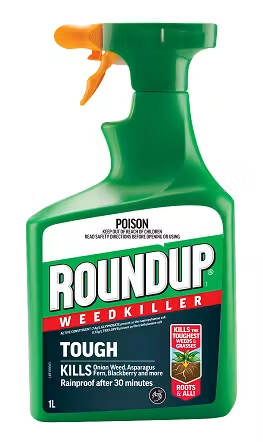
Why you have to stop using Roundup (glyphosate)
I nearly went ballistic, well I did actually go ballistic when my neighbour’s gardener told me he was spraying Roundup on her patch of grass. This prompted me to ask for a list of key issues relating to this product and how its continued use, and sale, is no longer tolerable. With biodiversity collapse around us and the devastation on pollinators (and humans) from our use of pesticides the evidence is no longer in question. What is, is the ability of gardeners to work with nature, not against her and, for farmers to be accountable for the poison they put on crops that ends up in our bodies and the water systems and effectively kills the tiny things that keep the system in balance.
Effects on People
1. It’s in South Africa’s staple foods — including baby food New South African laboratory evidence from early 2026 confirms dietary exposure through staple and baby foods, including maize meal, bread, and baby cereal. A critical characteristic of glyphosate is its systemic action — when applied to crops, it is absorbed through leaves and stems and translocated throughout the entire plant’s vascular system. This means glyphosate residues cannot be removed by washing or peeling; they are present within the food product itself.
2. Cancer risk — and a collapsing scientific foundation The 2025 Global Glyphosate Study showed statistically significant increases in tumours at exposure levels that regulators still claim are safe. The historically-relied-upon Williams, Kroes & Munro (2000) industry-aligned paper defending glyphosate’s safety has formally been retracted due to ghost-writing and undisclosed conflicts — removing a cornerstone of global regulatory reliance. Since 2015, more than 192,000 lawsuits have been filed in the US. In February 2026, Bayer agreed to a further $7.25 billion settlement to address ongoing and future claims.
3. Farm workers are heavily exposed with little protection Hundreds of thousands of farm workers in wheat, maize, soy, sugar, grape, timber and horticulture farming are routinely heavily exposed to glyphosate-based herbicides through their work — often without access to protective equipment. Direct and indirect exposure places African farmers, consumers and workers at extreme risk. Sample testing of mothers’ breast milk has even revealed the presence of glyphosate-based herbicides.
4. Beyond cancer — endocrine disruption, gut damage and poor nutrition The herbicide has been linked to cancer, endocrine disruption, gut microbiome damage, and reduced nutritional value in crops. When glyphosate is used, the nutritional profile of plants declines — they contain lower levels of micronutrients such as manganese, zinc and magnesium. “We already have a stressed population here, where food security is fragile,” warned the ACB’s Zakiya Ismail.
5. South Africa’s regulations are outdated A 2019 study found 67 pesticides approved in South Africa that are banned in the EU, and identified a lack of research and monitoring of effects on workers’ health. The African Centre for Biodiversity is calling for deregistration of glyphosate under the Fertilizers, Farm Feeds, Agricultural Remedies and Stock Remedies Act, immediate restrictions on high-exposure uses such as pre-harvest desiccation, public advisories on baby foods, and a national phase-out plan with support for agroecological alternatives. So far, the government has not acted on these calls.
Effects on Pollinators
6. Glyphosate destroys bees’ gut bacteria When pollinators come in contact with glyphosate, the chemical reduces gut bacteria, leaving bees vulnerable to pathogens and premature death. Scientists liken glyphosate exposure to taking too many antibiotics — upsetting the balance of good bacteria that supports immunity and digestion.
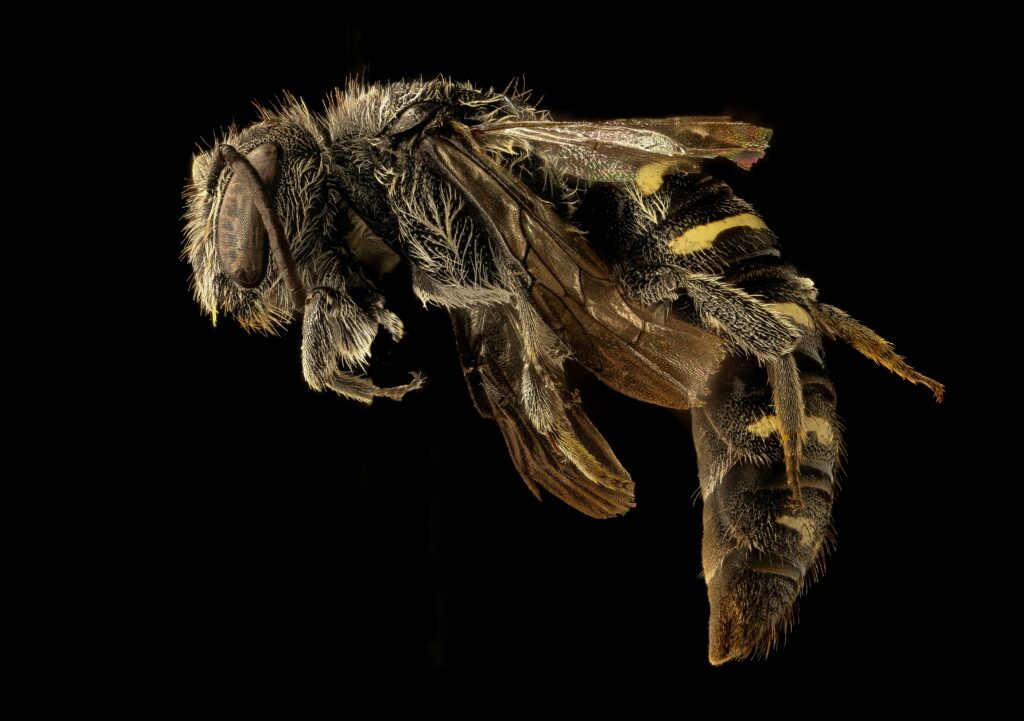
7. It damages wild plants that bees depend on — for up to two years Glyphosate, used extensively in South Africa under the brand name Roundup, can survive in wild plants for up to two years, damaging their fertility. Research suggests glyphosate reduces the viability of pollen on wild plants by an average of 66% compared with unexposed plants — even a year after the herbicide was initially applied. This directly shrinks the food available to bees and other pollinators.
8. Bees are exposed through nectar, not just direct spraying Glyphosate has been detected in unsprayed wildflowers under conventional farming conditions. Wild bees and honeybees visiting contaminated wildflowers to collect pollen and nectar will be exposed — and that could impact their health and the critical pollination services they provide.
9. Pollinator decline threatens food security Disruptions to bee microbiota may contribute to the decline of bee populations, posing a significant threat to pollination services and causing cascading effects on ecosystem stability. Given how dependent South African agriculture — fruit, vegetables, crops — is on pollination, this is a serious downstream threat to food production and farm livelihoods.
10. Regulatory guidelines don’t protect bees Current guidelines assume bees are not harmed by glyphosate-based herbicides. Researchers have called for better guidelines for glyphosate use, especially regarding bee exposure.
The bottom line: This is an active and fast-moving issue in South Africa right now. The ACB submitted a formal call for a ban to the Minister of Agriculture in early 2026, and the government has yet to respond. The debate is real — some industry experts argue residue levels in food are still within legal limits — but the scientific ground beneath those limits is shifting rapidly.
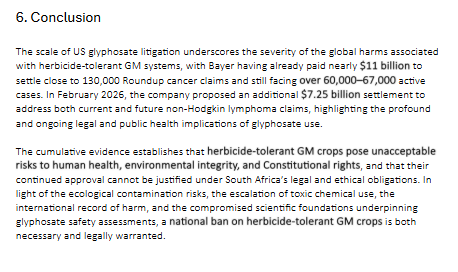
This is the conclusion published and one that bears response:
Take action and sign the petition led by Greenpeace Africa to ban toxic chemicals once and for all.
And here are easy, non toxic ways to deal with weeds:
✅ Boiling water on paving weeds — instant and free
✅ White vinegar + salt spray — kills most weeds within 24 hours
✅ Covering with bark mulch — prevents weeds long-term
✅ Manual removal after rain when soil is soft
Here is another organisation doing important work on Unpoisoning our environment
And this is the people’s forum against Agro Toxins