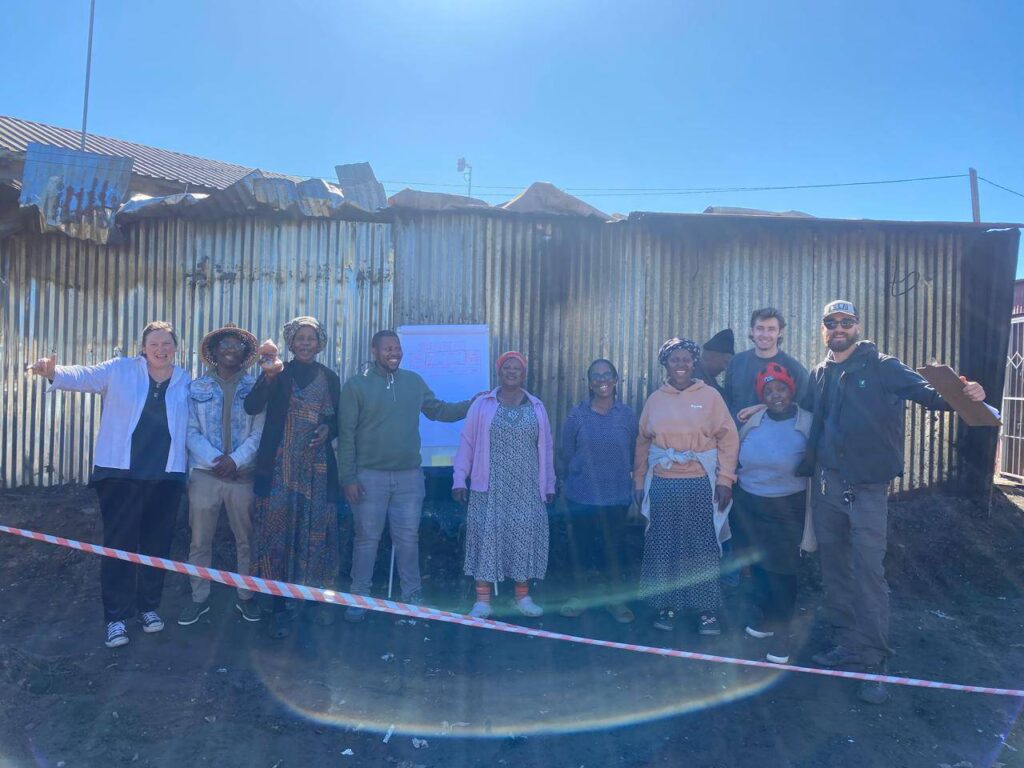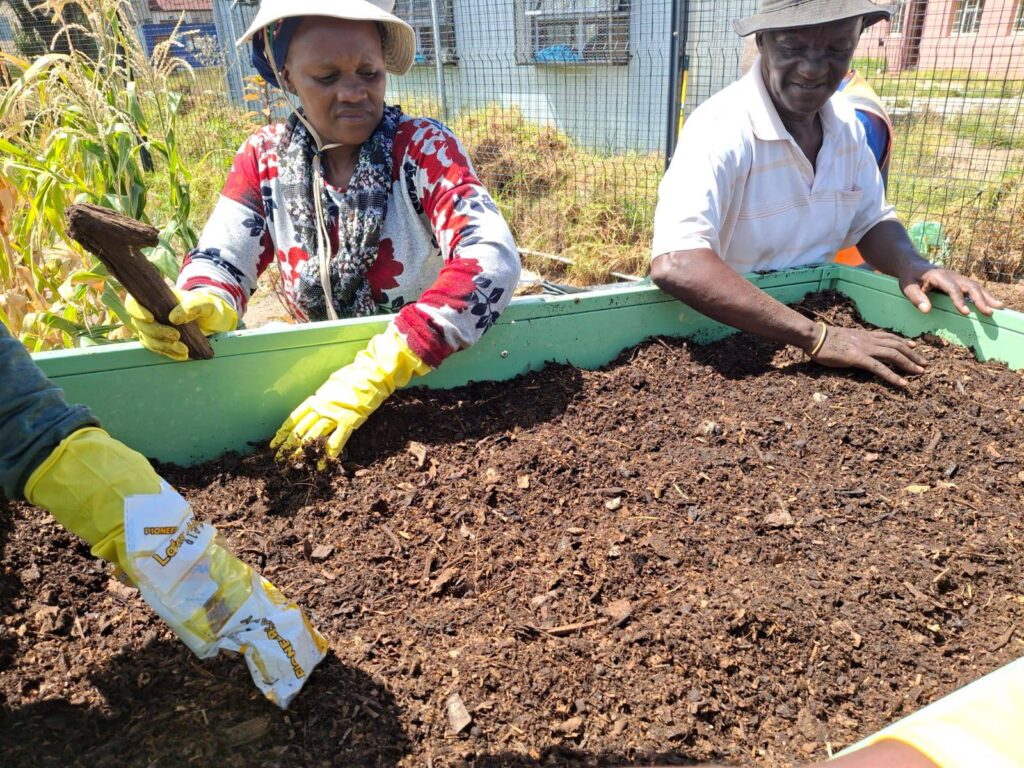
A growing community-driven waste project in Langa is showing how waste (especially organic waste) can be transformed into a valuable local resource – improving livelihoods, reducing landfill, and supporting urban farming.
Over the past three months alone (January–March 2026), the Langa waste initiative has successfully processed over 15 tonnes of organic waste locally, using a decentralised composting system based at the local Langa AgriHub. This builds on earlier trials done that diverted approximately 4 tonnes of waste per month from the City’s Bellville composting facility into a local system.
The project, funded by AfriFOODLinks and implemented by Waste-ED in partnership with SA Urban Food & Farming Trust (SAUFFT) and Ranyaka has focused on residential organic waste and one of Langa’s most complex waste streams : informal meat trader organic waste.
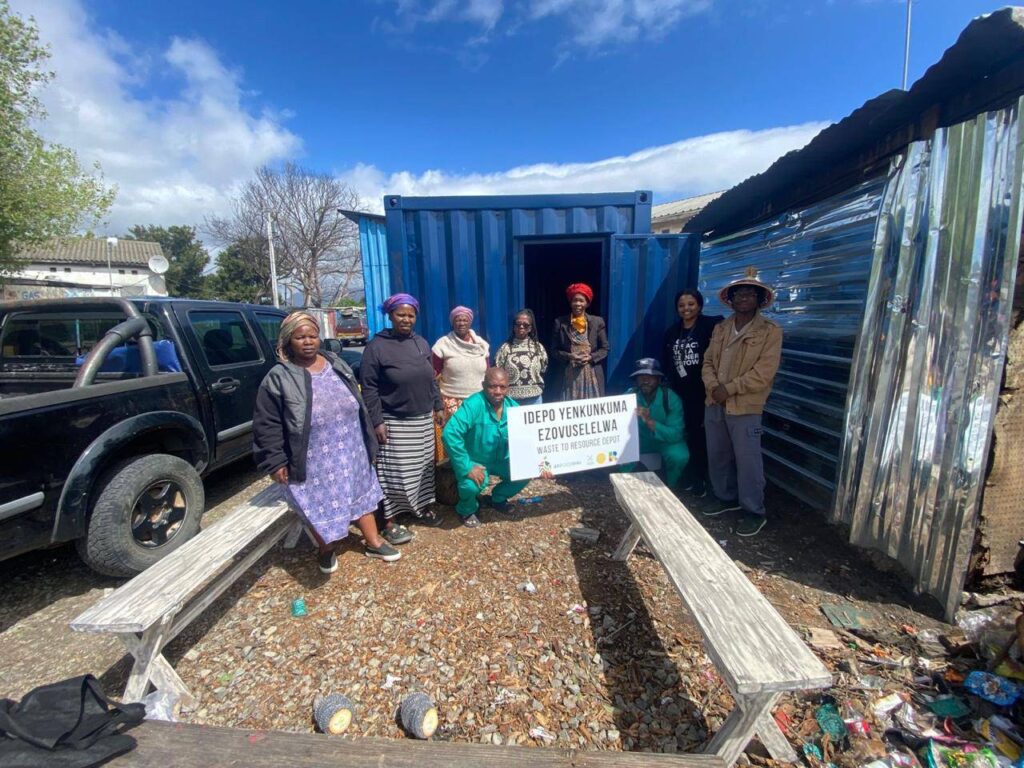
At the historical Smiley Market, where sheep head traders operate daily, waste streams such as brains, meat offcuts and ash have always been difficult to manage. Through this project, a market waste depot and collection system have been introduced, alongside local composting using a BiobiN in-vessel system.
This system allows waste to be processed within the community – benefiting already established local waste users and creating new pathways where the project has already seen reduced transport costs, improved hygiene, and pest prevention – while producing post value that can be used locally.
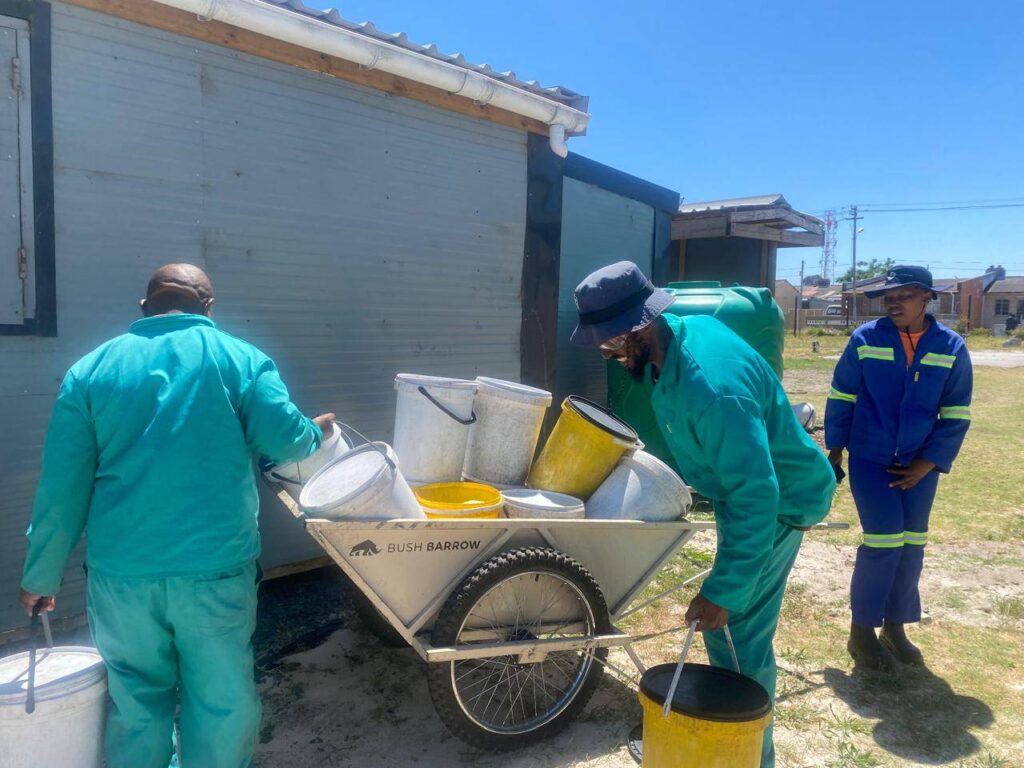
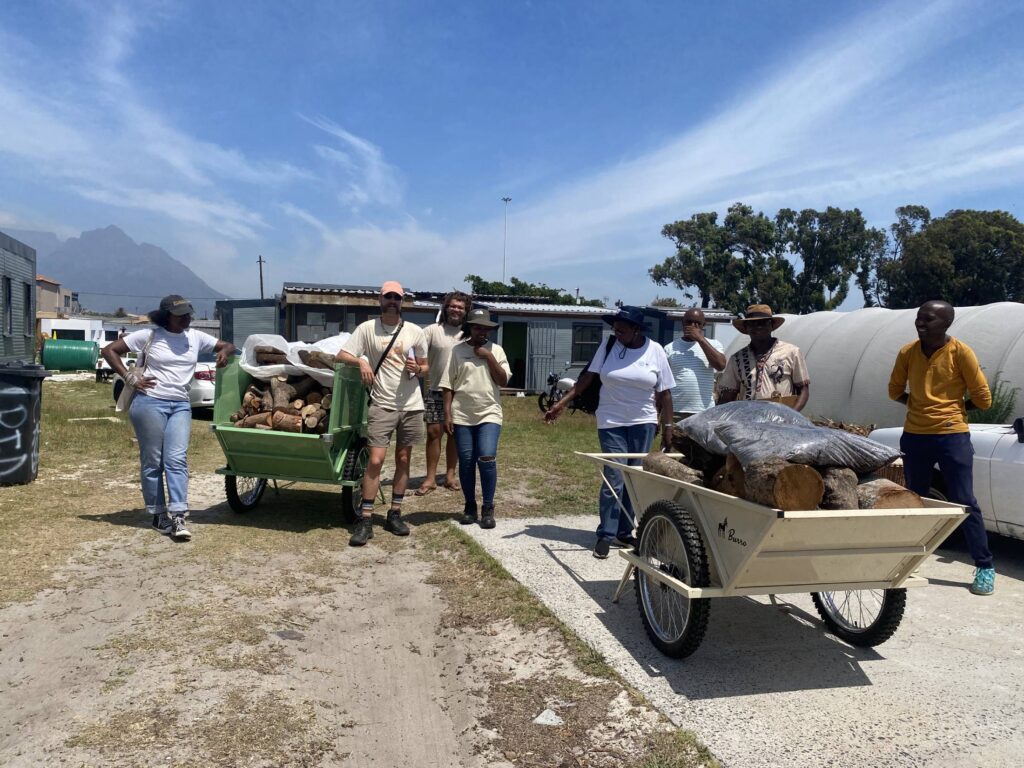
“We’ve shown that waste doesn’t have to leave the community to be managed. It can stay here, be processed here, and benefit the people who live here,” says Candice Mostert, Founder of Waste-ED.
The compost produced is already supporting urban agriculture at the AgriHub, with plans to expand its use across community gardens, schools, and local growers.

Building a Circular Economy in Langa
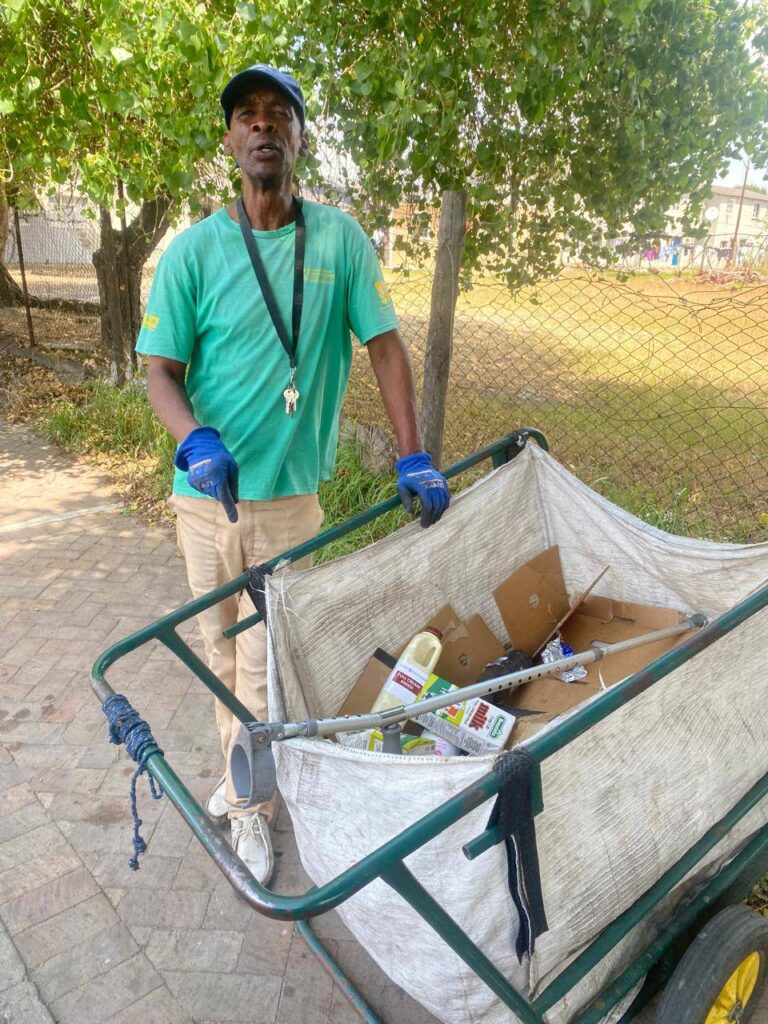
Beyond waste diversion, the project is working to develop a local circular economy model, where waste becomes a resource that supports job creation, small business development, soil regeneration and food production. The system includes waste separation at source, local collection and sorting, product and compost production and the development of a waste-based enterprise model.
Working with the City and Community
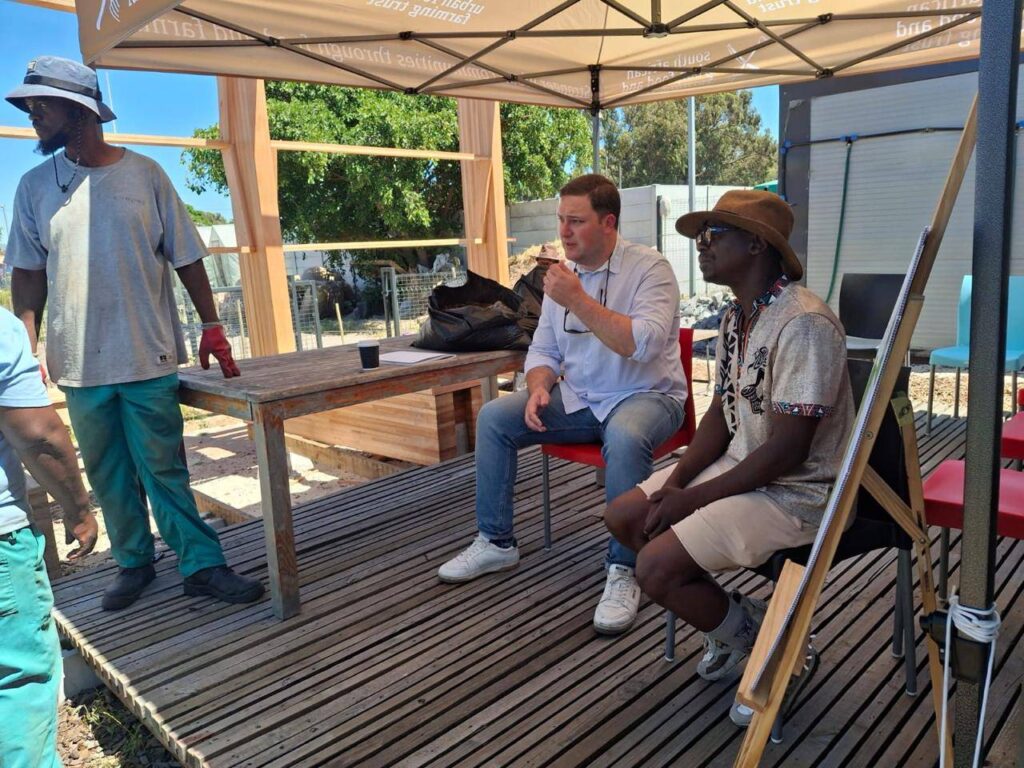
A key part of the project has been collaboration with the City of Cape Town’s Urban Waste Management Department (Waste Markets Units), particularly through a pilot that has been redirecting residential organic waste to Bellville – the collaboration has diverted 3-5 tonnes of this into the local system per month. This has demonstrated clear benefits so far by reducing transport to the Bellville composting site, improved operational efficiency and increased local processing capacity.
At the same time, the project has brought together stakeholders through the development of a Langa Waste Forum, a growing platform that connects community members, informal traders, waste collectors and city departments. The Forum is now evolving into a more structured platform to support long-term waste system coordination in Langa.
Call for Support
The project has demonstrated that a localised waste system is both possible and effective and is now entering a critical phase, focused on stabilising and scaling the system.

“We’ve proven the concept. Now we need the right support to strengthen and grow it,” says Mostert.
Organisations, funders, and partners are invited to support the next phase, which will focus on expanding waste diversion, strengthening the business model, creating local jobs and embedding the system within formal structures. This is an opportunity to invest in a replicable model for informal settlements across South Africa, aligned with national goals to reduce organic waste to landfill.
Get Involved
To learn more or explore partnership opportunities, contact :
Waste-ED
Candice Mostert
candice@waste-ed.co.za
082 850 4254